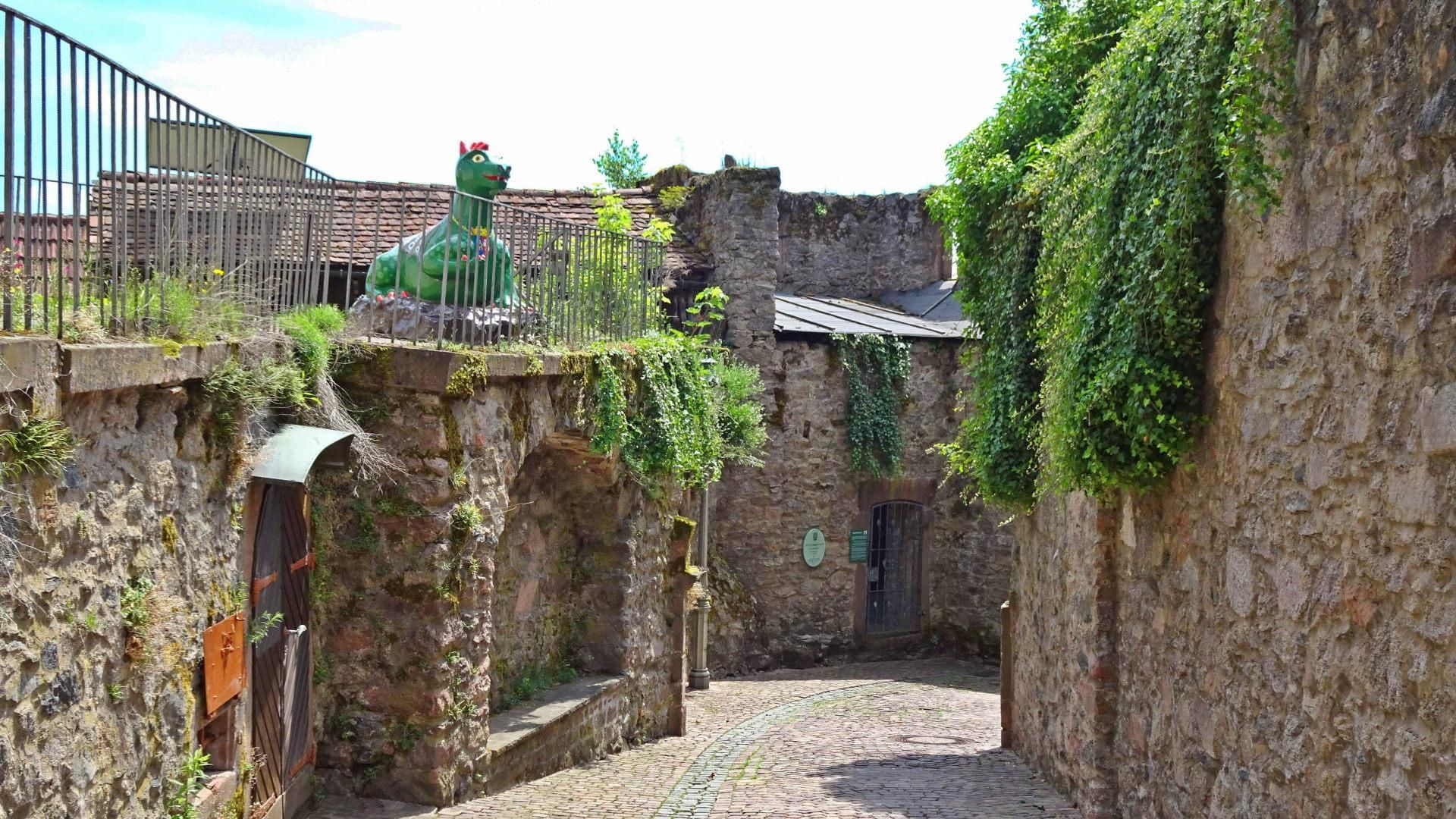
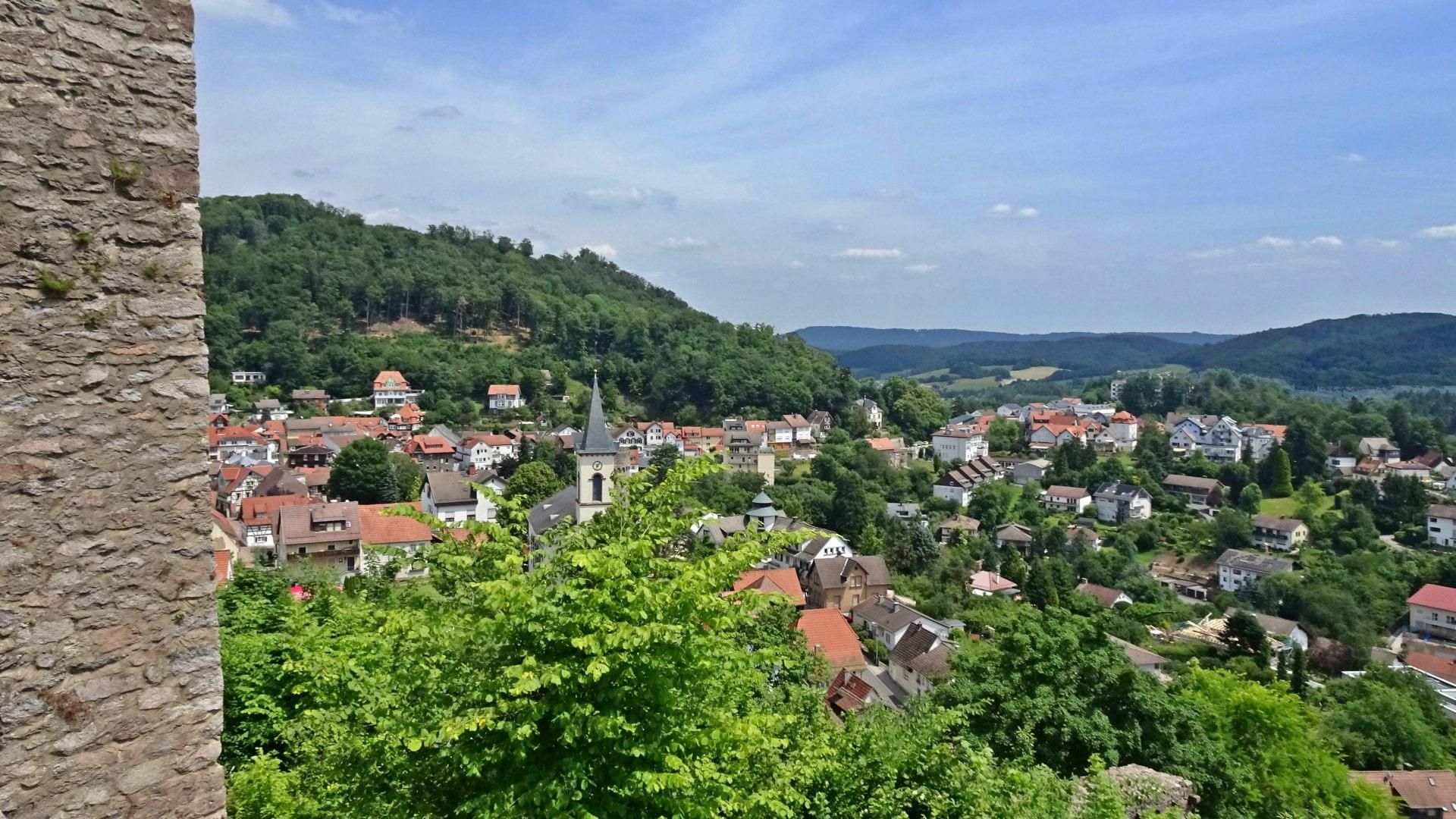
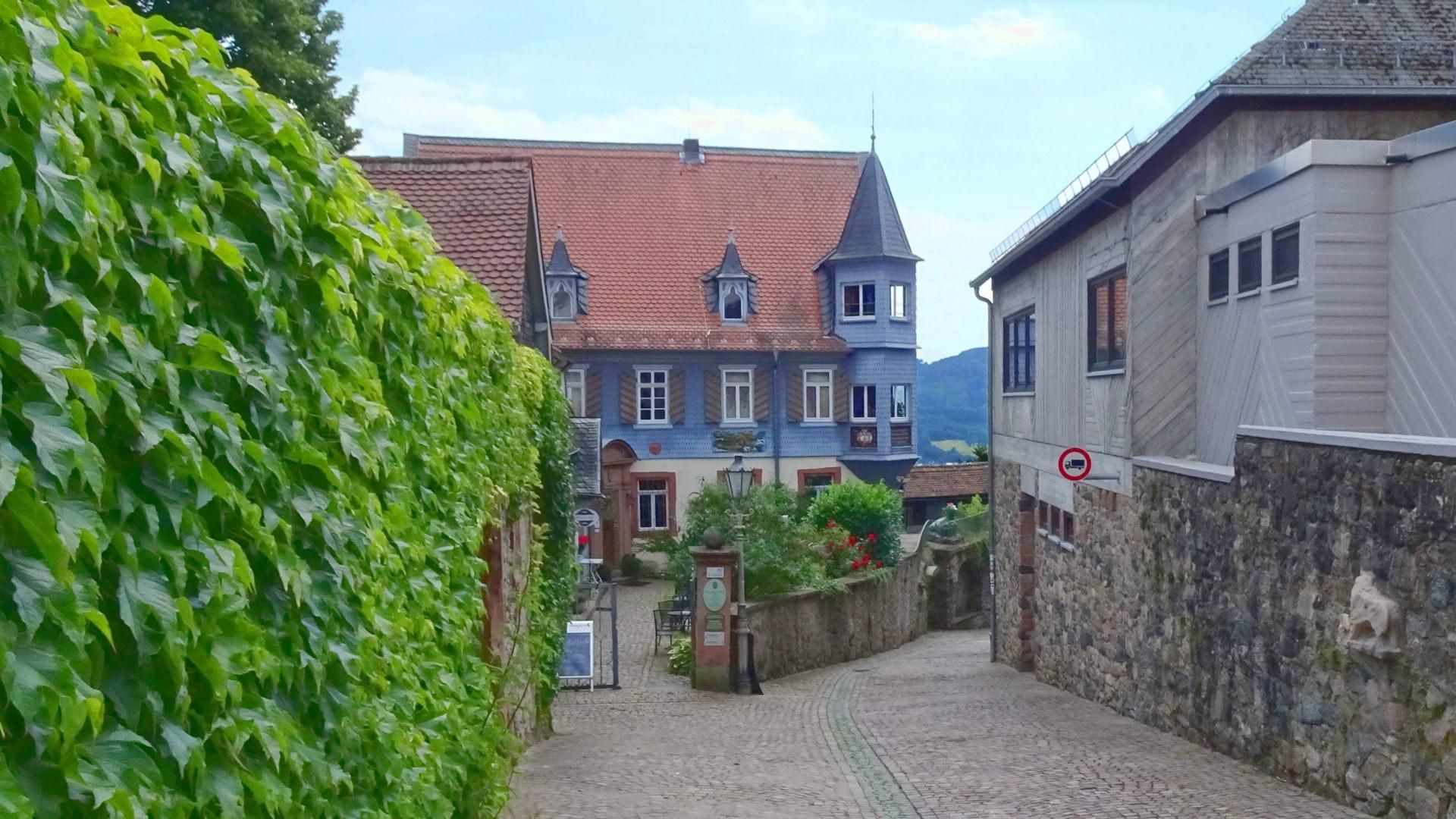
Lindenfels was founded below its castle and was granted town privileges in 1336. The historic centre, with the remains of the town’s fortifications, lies on the wooded hills of the Odenwald.
Lindenfels was founded below its castle and was granted town privileges in 1336. The historic centre, with the remains of the town’s fortifications, lies on the wooded hills of the Odenwald.
Lindenfels was founded below its castle and was granted town privileges in 1336. The historic centre, with the remains of the town’s fortifications, lies on the wooded hills of the Odenwald.
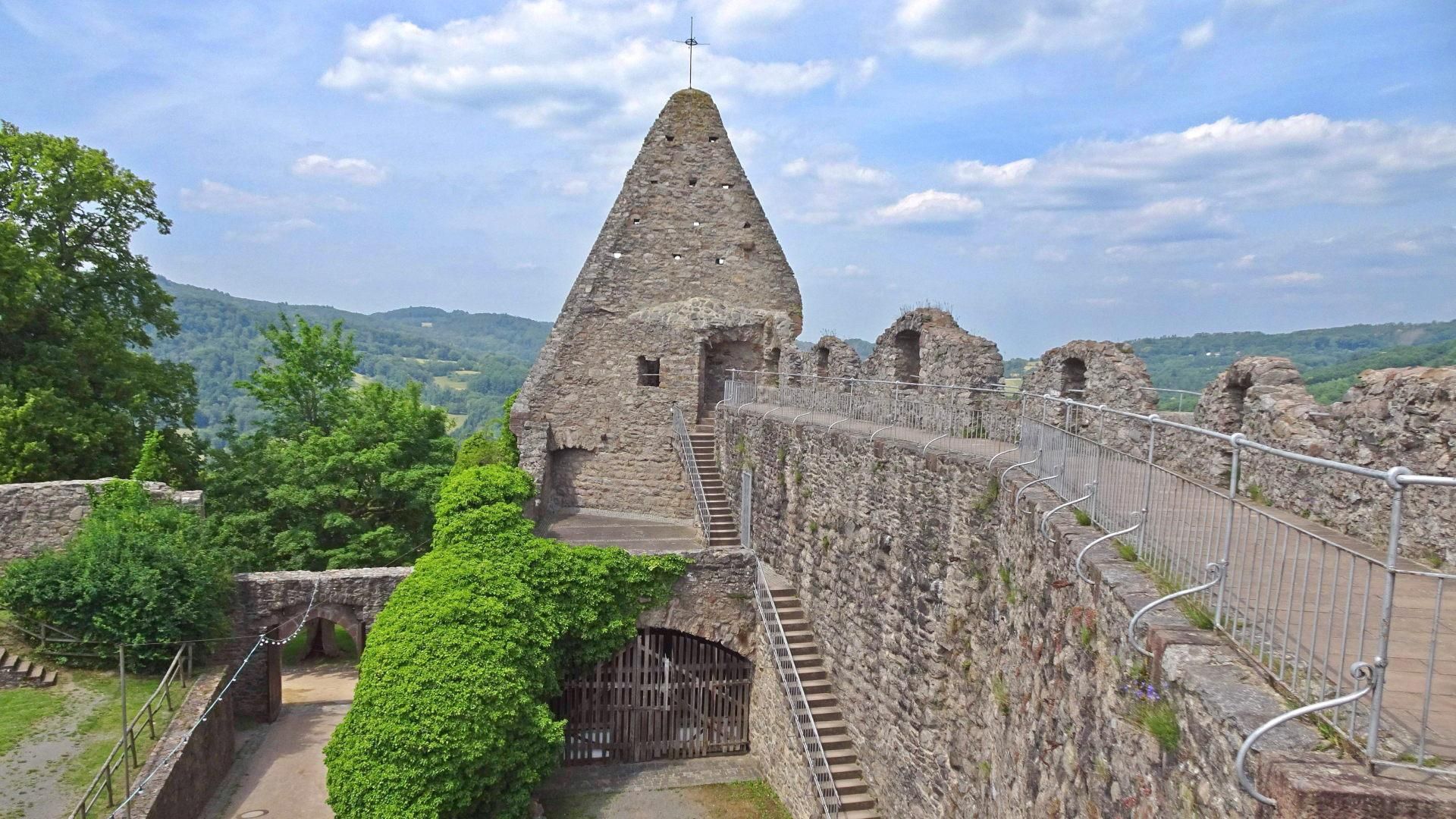
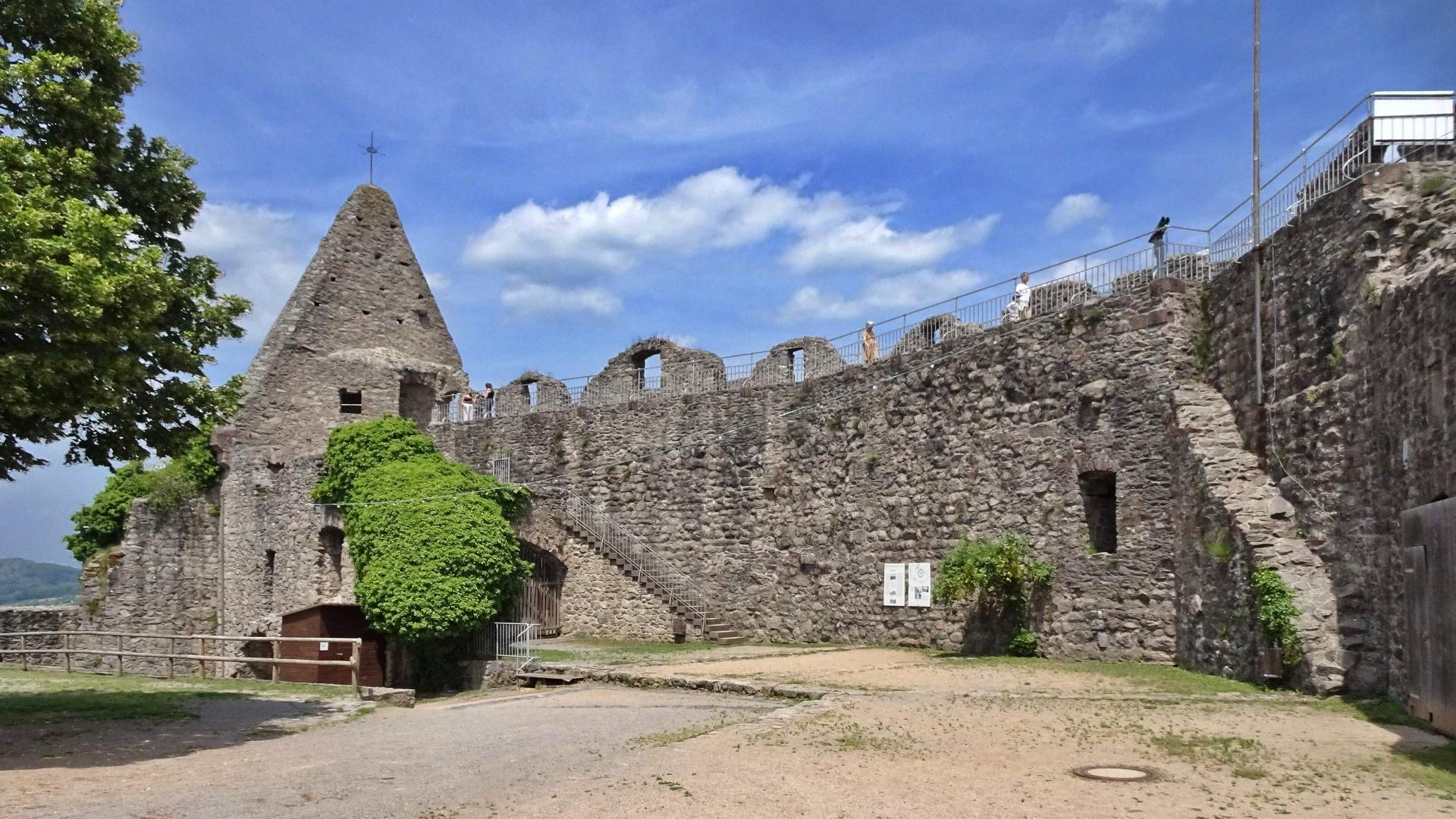
Lindenfels Castle dates back to the High Middle Ages and was expanded into a fortress between the 14th and 16th centuries. After the complex was abandoned, parts of it were used as a quarry. Today, the ruins, visible from afar, are a prominent feature of the townscape.
Lindenfels Castle dates back to the High Middle Ages and was expanded into a fortress between the 14th and 16th centuries. After the complex was abandoned, parts of it were used as a quarry. Today, the ruins, visible from afar, are a prominent feature of the townscape.
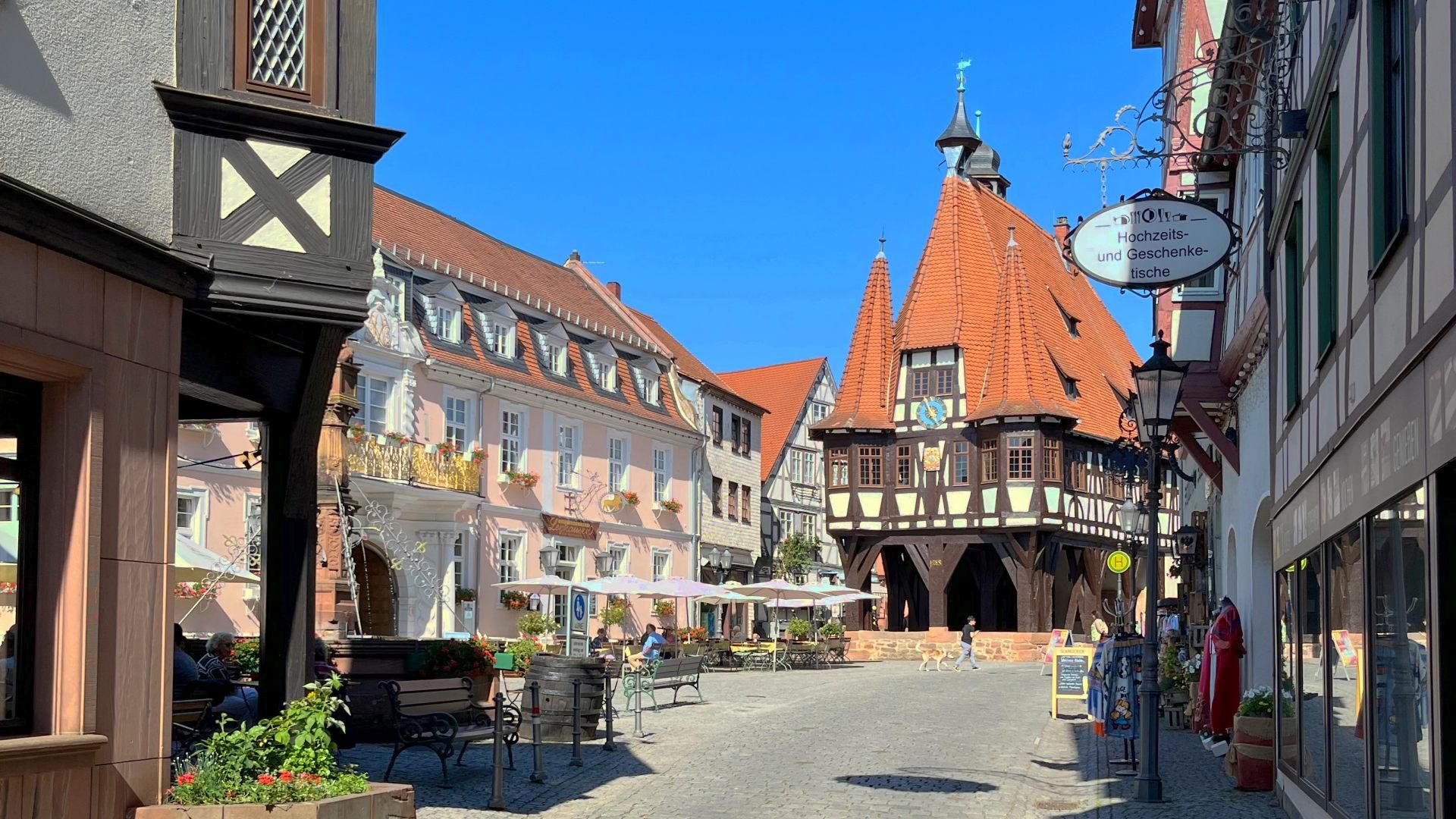
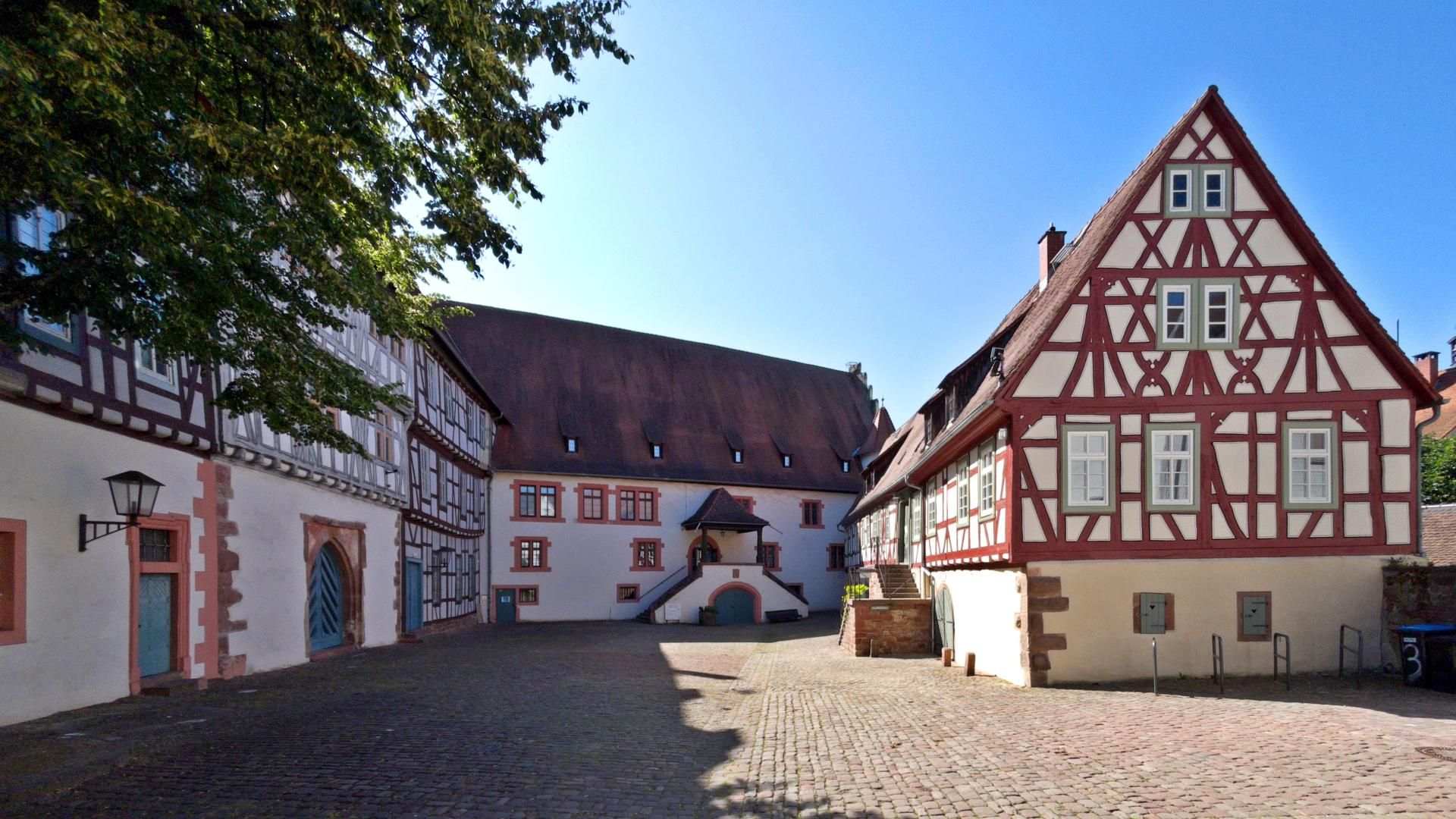
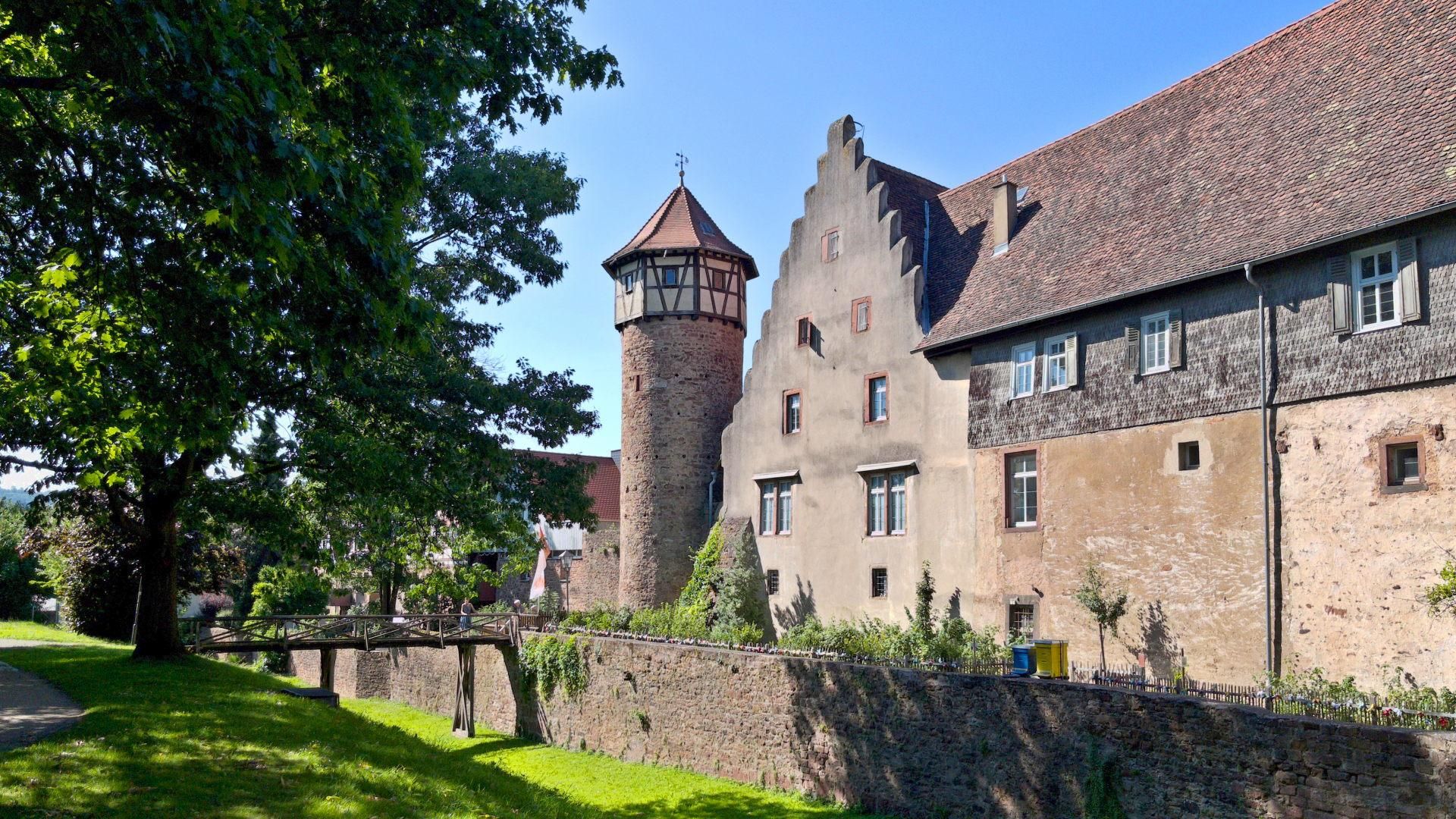
Michelstadt: The old town, with its half-timbered architecture spanning six centuries, is dominated by the town hall with its open ground-floor hall (1484). Narrow alleyways and other half-timbered buildings complete the townscape.
Michelstadt: The old town, with its half-timbered architecture spanning six centuries, is dominated by the town hall with its open ground-floor hall (1484). Narrow alleyways and other half-timbered buildings complete the townscape.
Michelstadt: The old town, with its half-timbered architecture spanning six centuries, is dominated by the town hall with its open ground-floor hall (1484). Narrow alleyways and other half-timbered buildings complete the townscape.
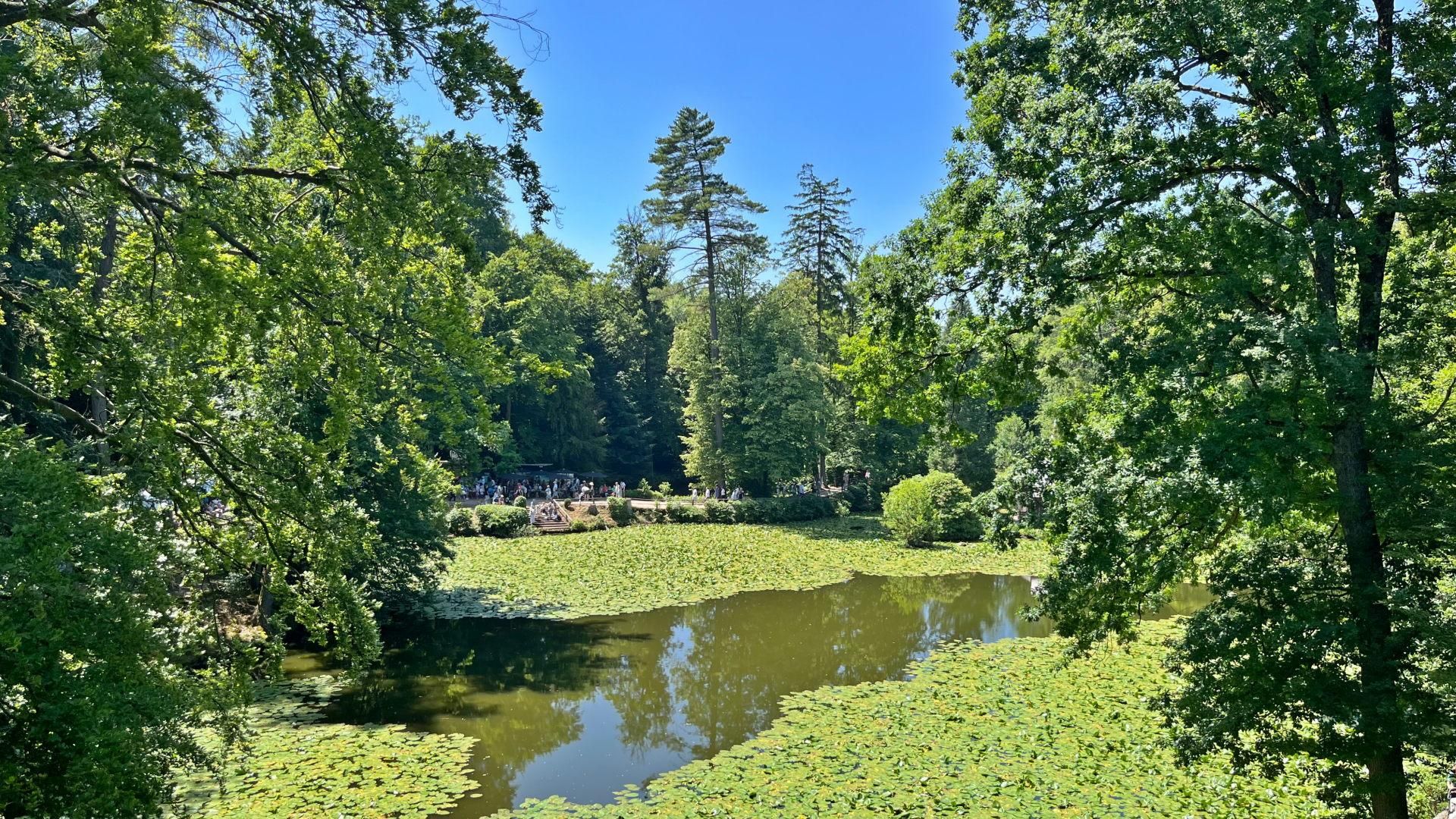
Laid out in 1802, the Eulbach English Garden combines meadows, copses and ponds with Roman archaeological finds; it was created under Count Franz I of Erbach-Erbach near the Eulbach hunting lodge.
Laid out in 1802, the Eulbach English Garden combines meadows, copses and ponds with Roman archaeological finds; it was created under Count Franz I of Erbach-Erbach near the Eulbach hunting lodge.
Laid out in 1802, the Eulbach English Garden combines meadows, copses and ponds with Roman archaeological finds; it was created under Count Franz I of Erbach-Erbach near the Eulbach hunting lodge.
Laid out in 1802, the Eulbach English Garden combines meadows, copses and ponds with Roman archaeological finds; it was created under Count Franz I of Erbach-Erbach near the Eulbach hunting lodge.
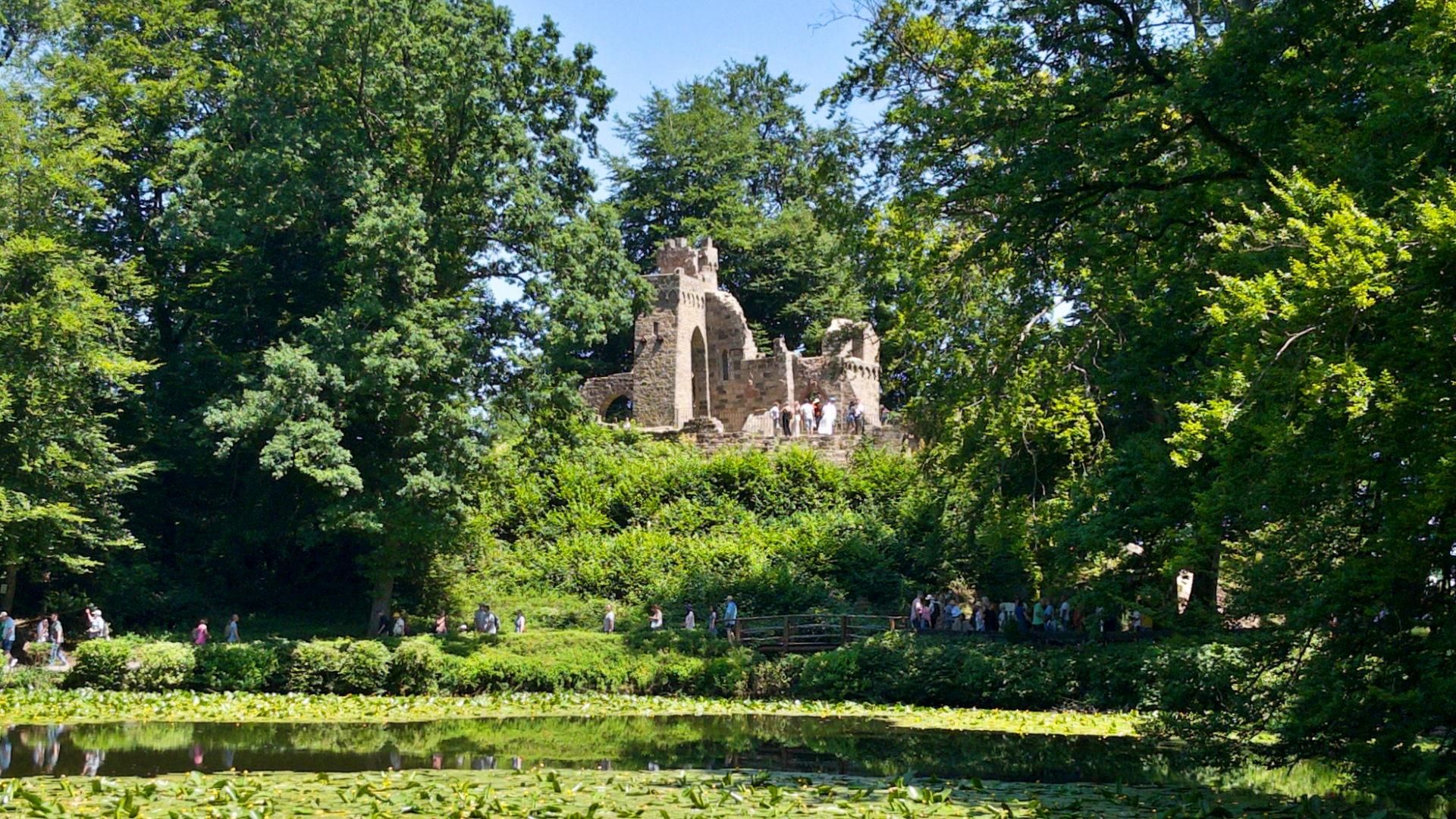
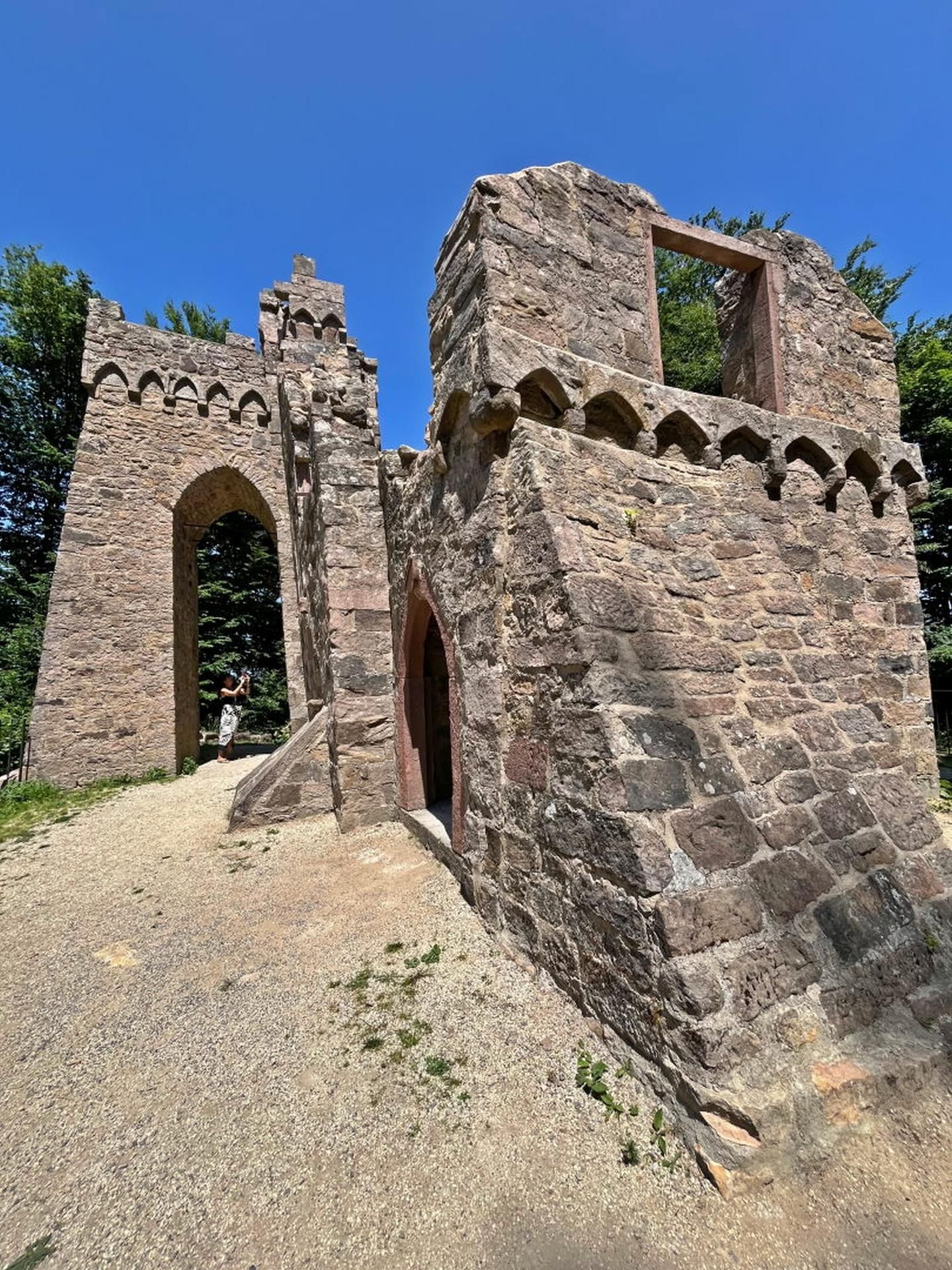
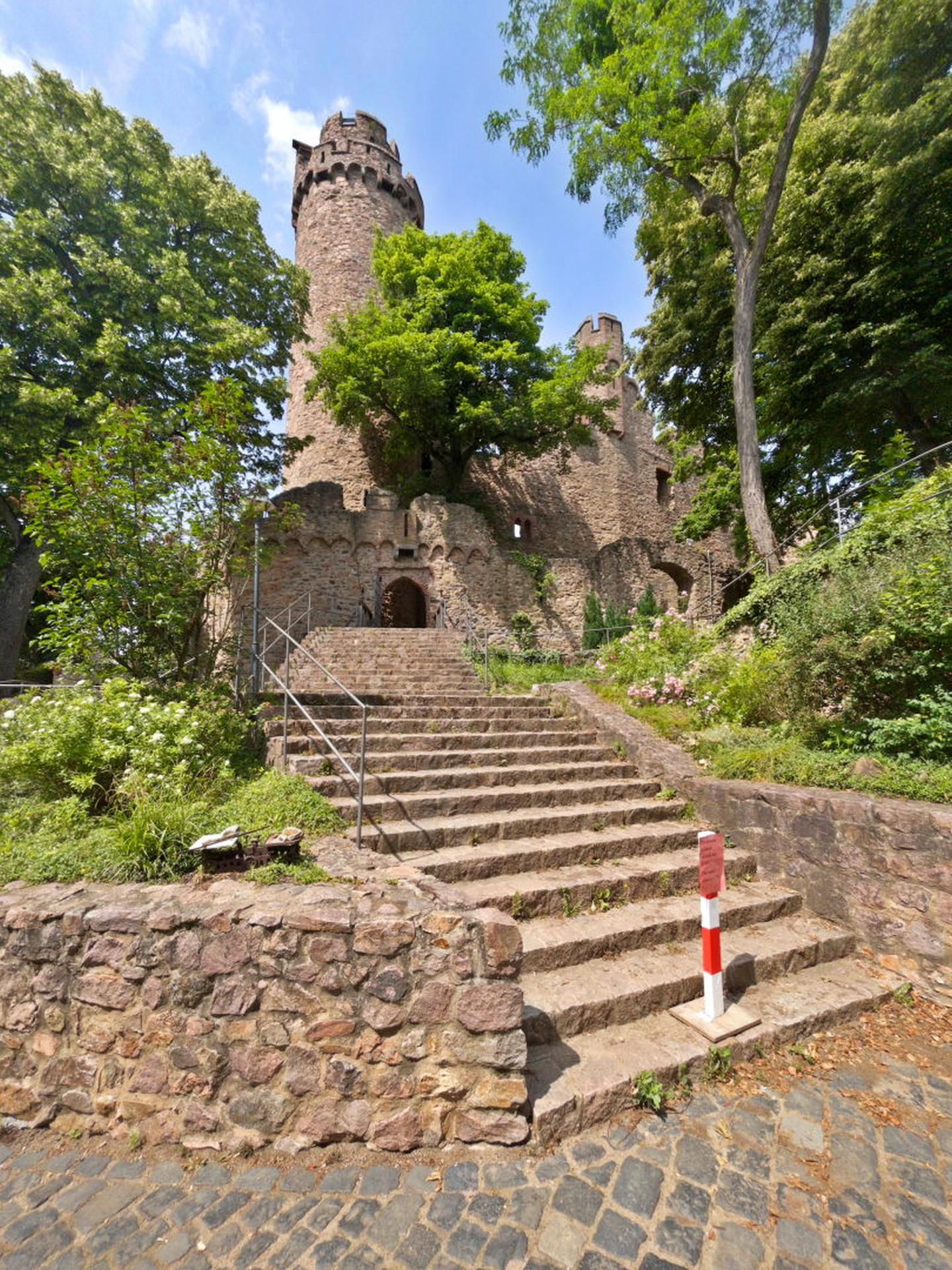
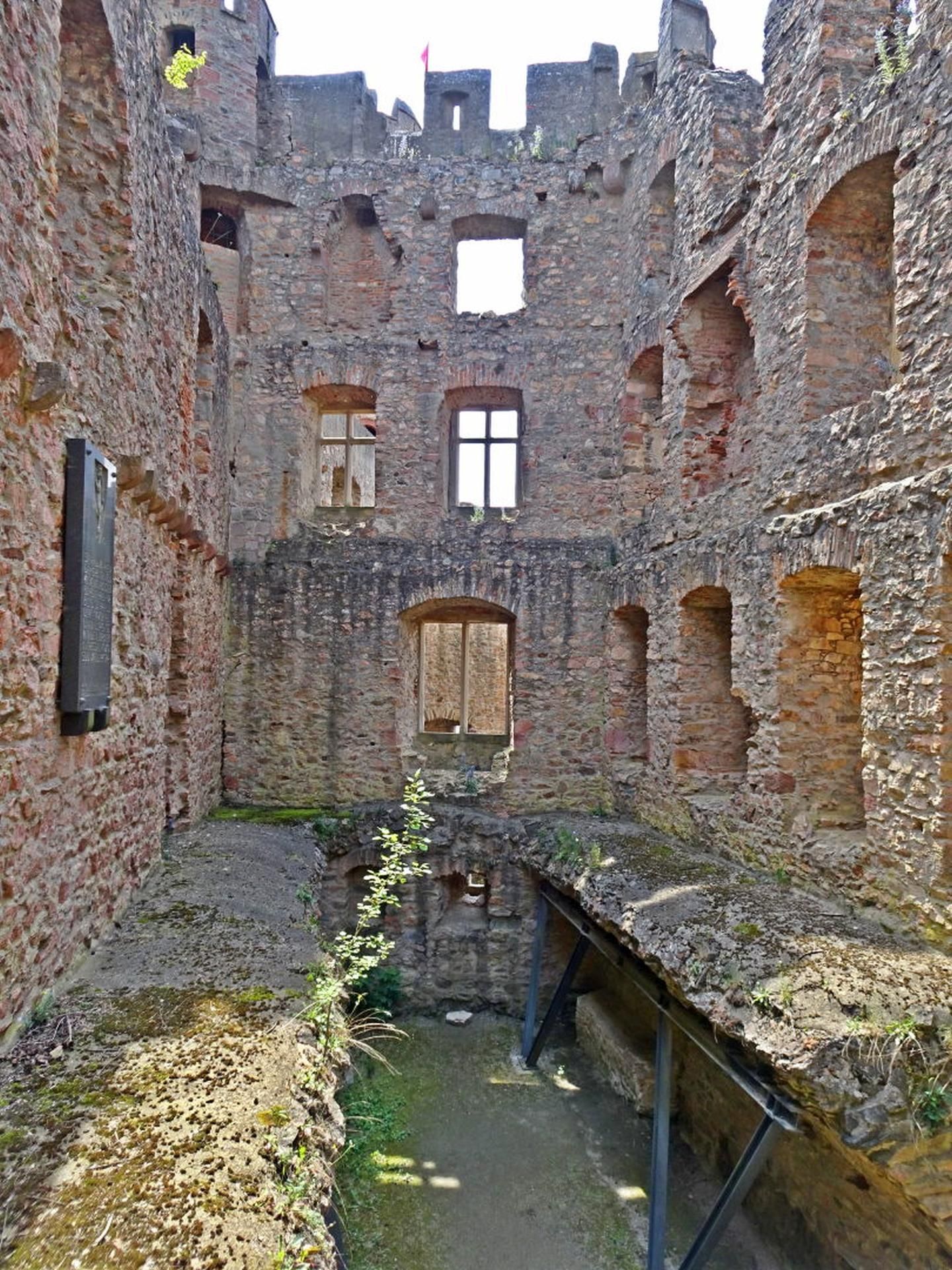
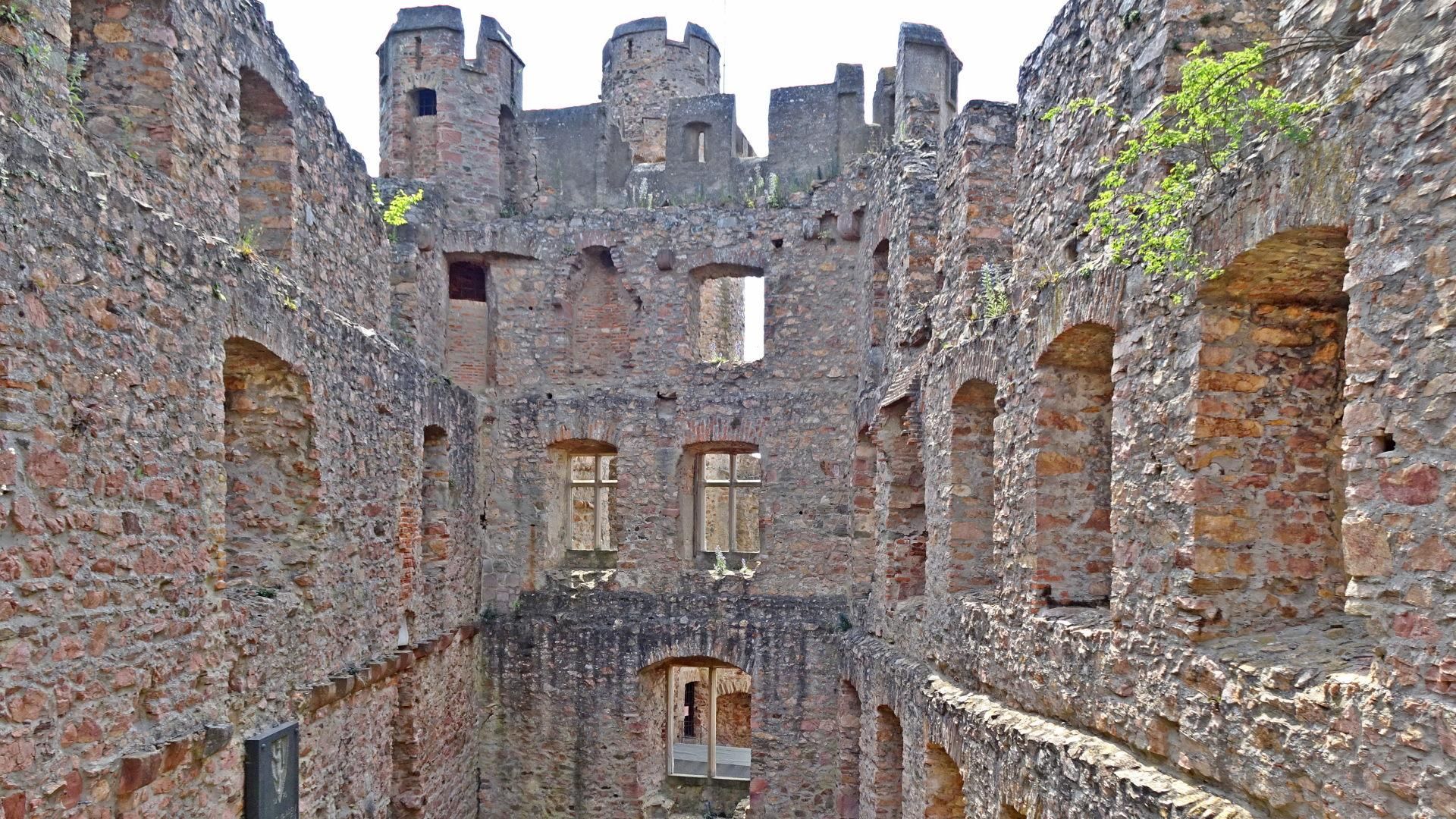
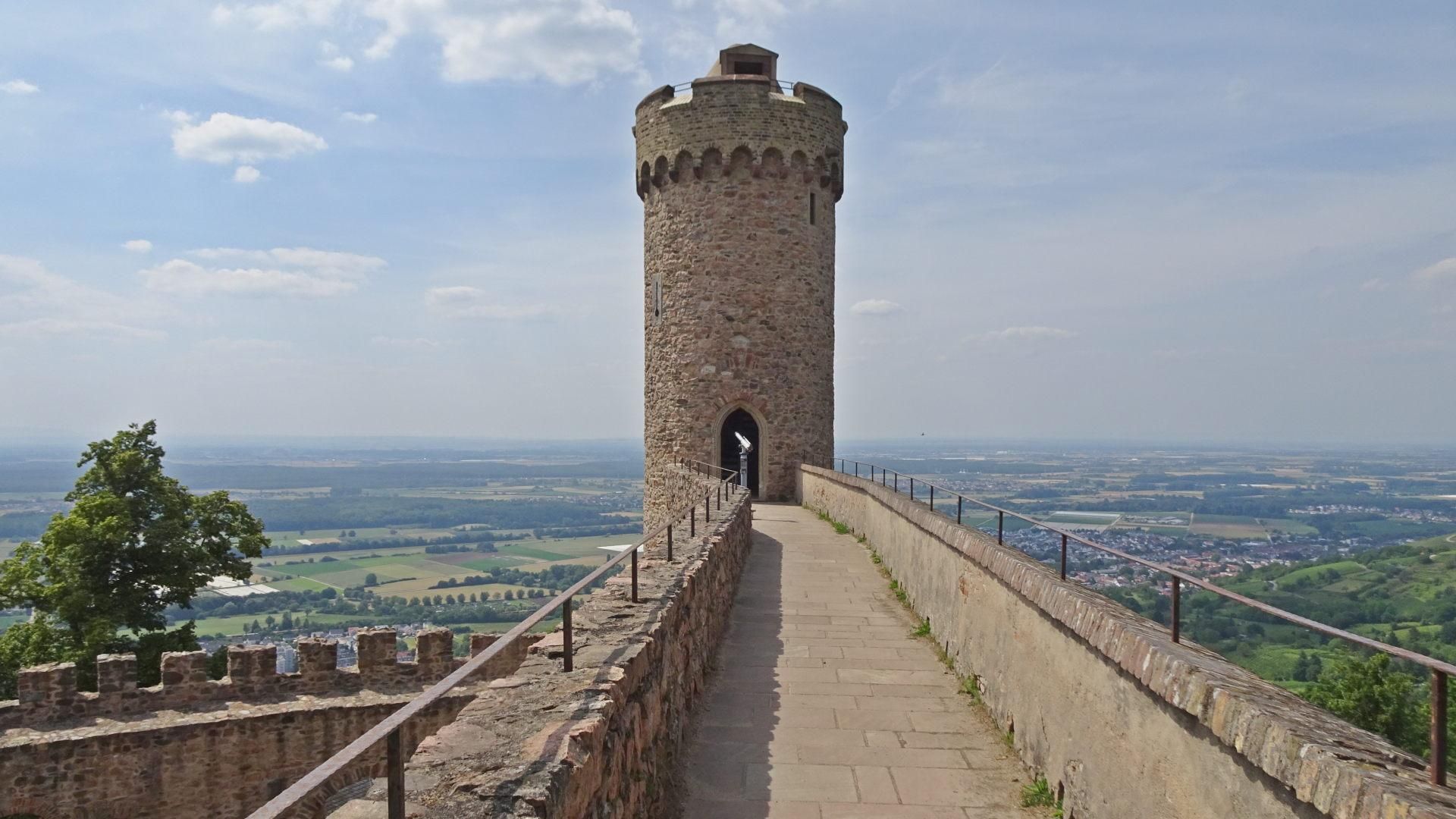
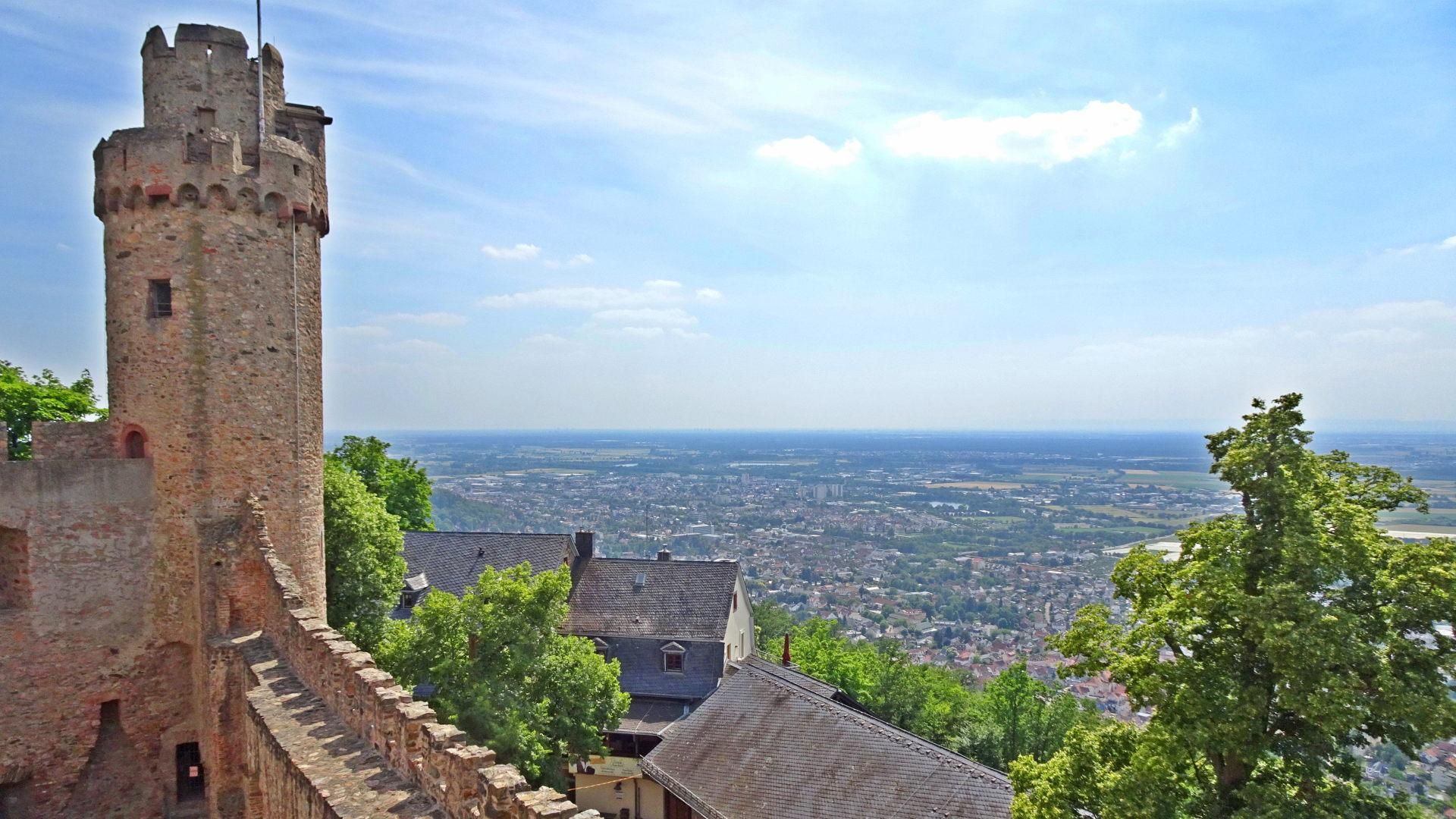
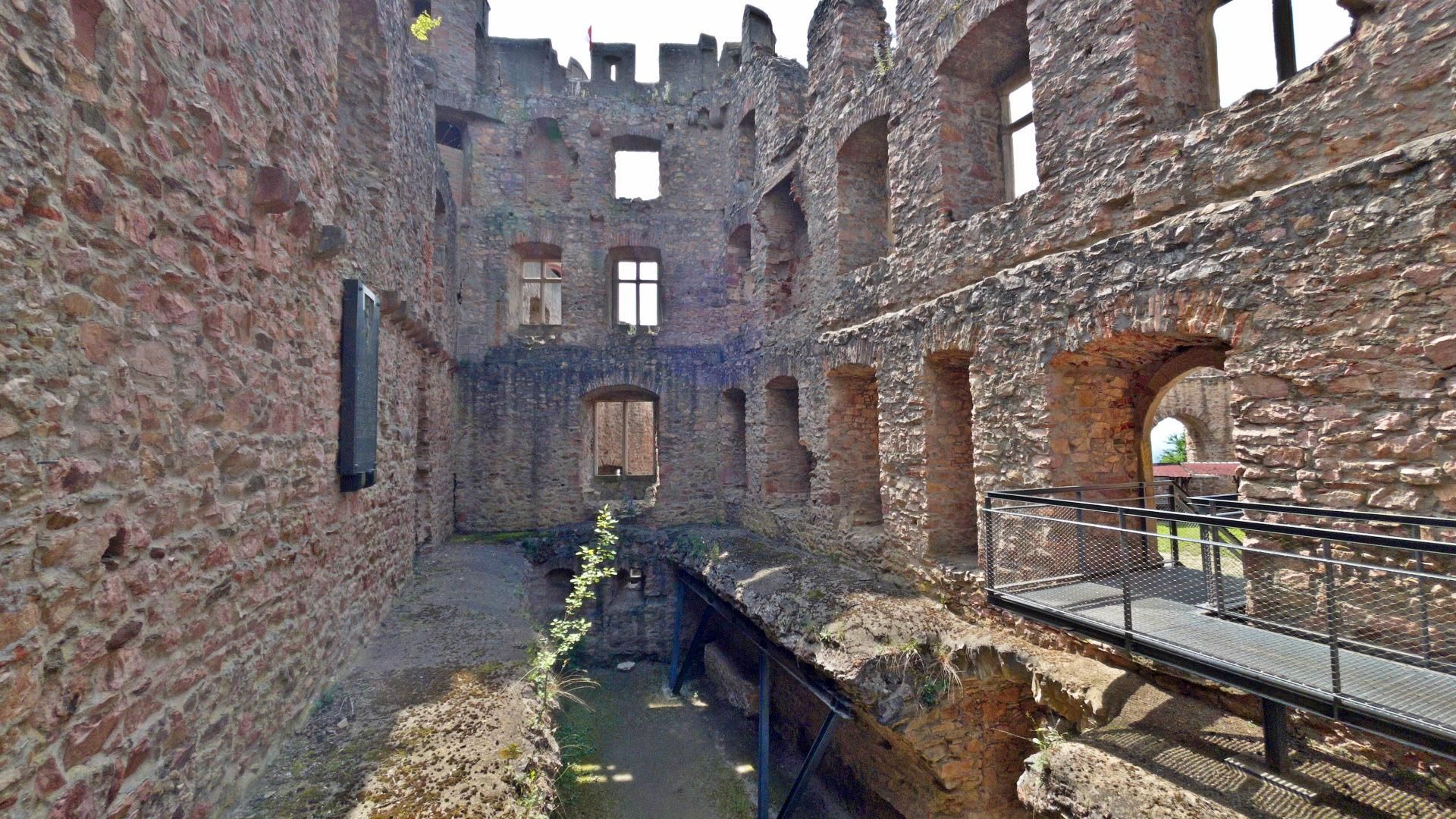
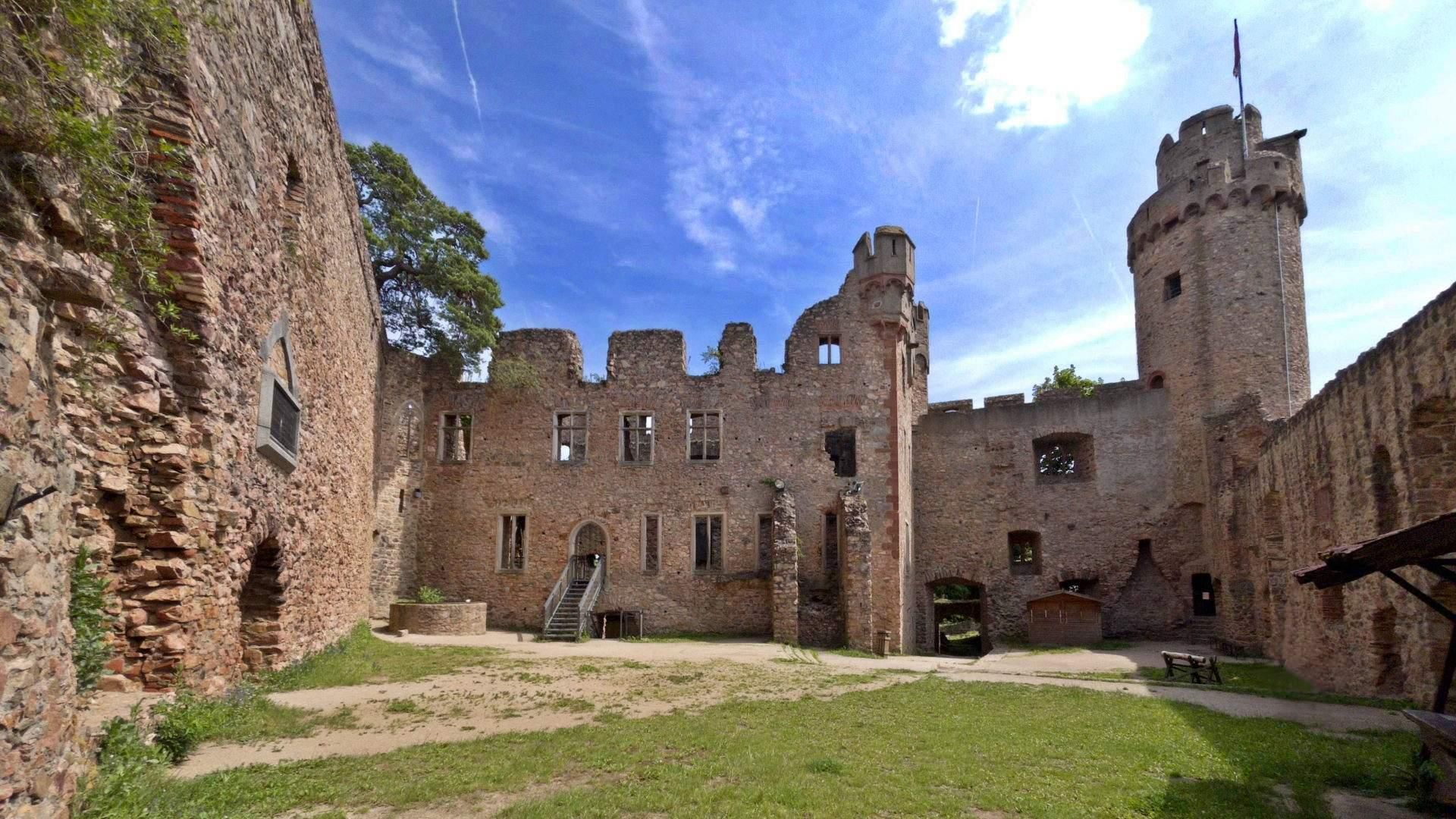
Auerbach Castle was built in 1230 by the Counts of Katzenelnbogen as a defensive fortress. Following periods of destruction, an impressive castle ruin overlooking the Bergstraße has survived.
Auerbach Castle was built in 1230 by the Counts of Katzenelnbogen as a defensive fortress. Following periods of destruction, an impressive castle ruin overlooking the Bergstraße has survived.
Auerbach Castle was built in 1230 by the Counts of Katzenelnbogen as a defensive fortress. Following periods of destruction, an impressive castle ruin overlooking the Bergstraße has survived.
Auerbach Castle was built in 1230 by the Counts of Katzenelnbogen as a defensive fortress. Following periods of destruction, an impressive castle ruin overlooking the Bergstraße has survived.
Auerbach Castle was built in 1230 by the Counts of Katzenelnbogen as a defensive fortress. Following periods of destruction, an impressive castle ruin overlooking the Bergstraße has survived.
Auerbach Castle was built in 1230 by the Counts of Katzenelnbogen as a defensive fortress. Following periods of destruction, an impressive castle ruin overlooking the Bergstraße has survived.
Auerbach Castle was built in 1230 by the Counts of Katzenelnbogen as a defensive fortress. Following periods of destruction, an impressive castle ruin overlooking the Bergstraße has survived.
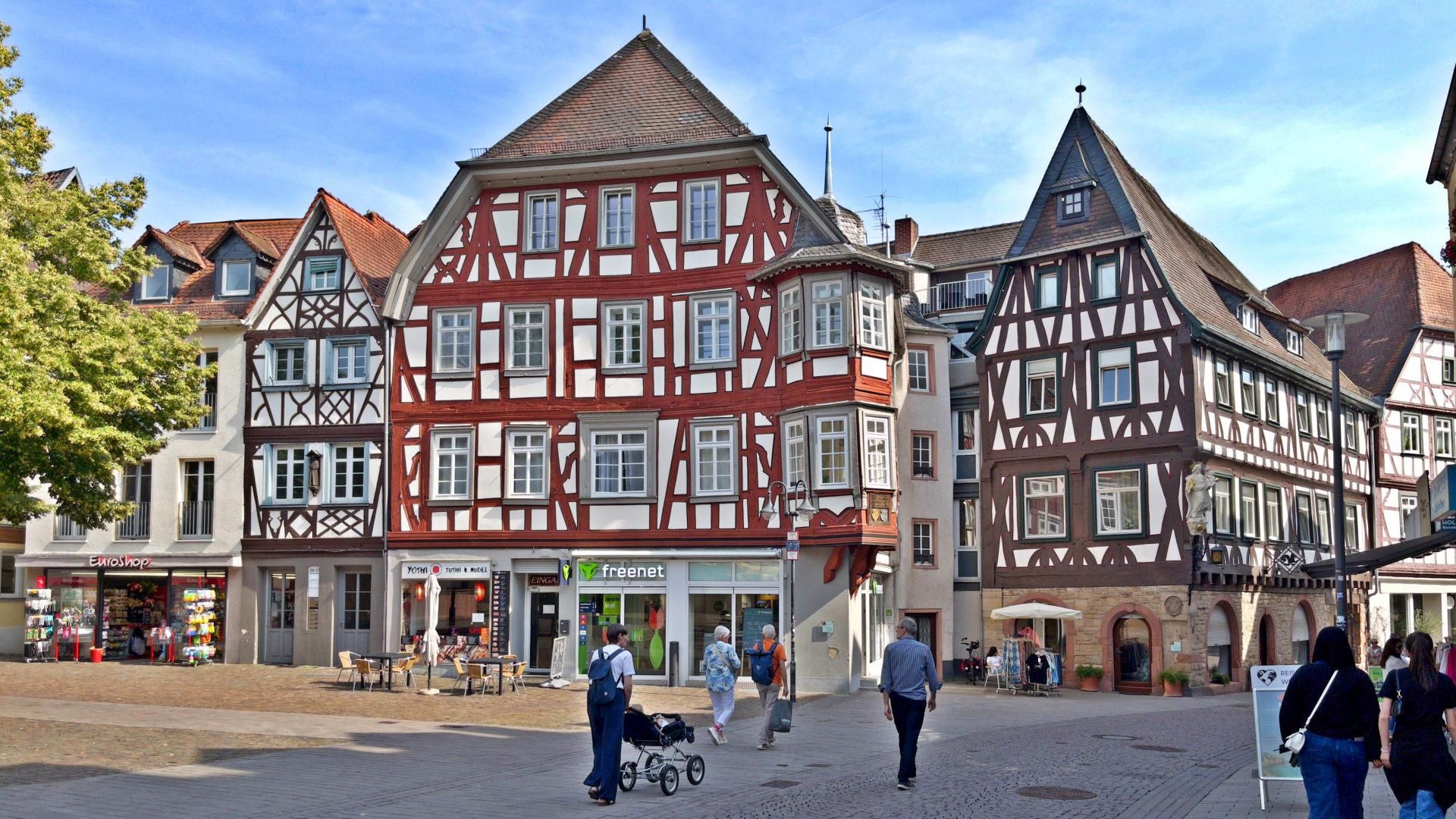
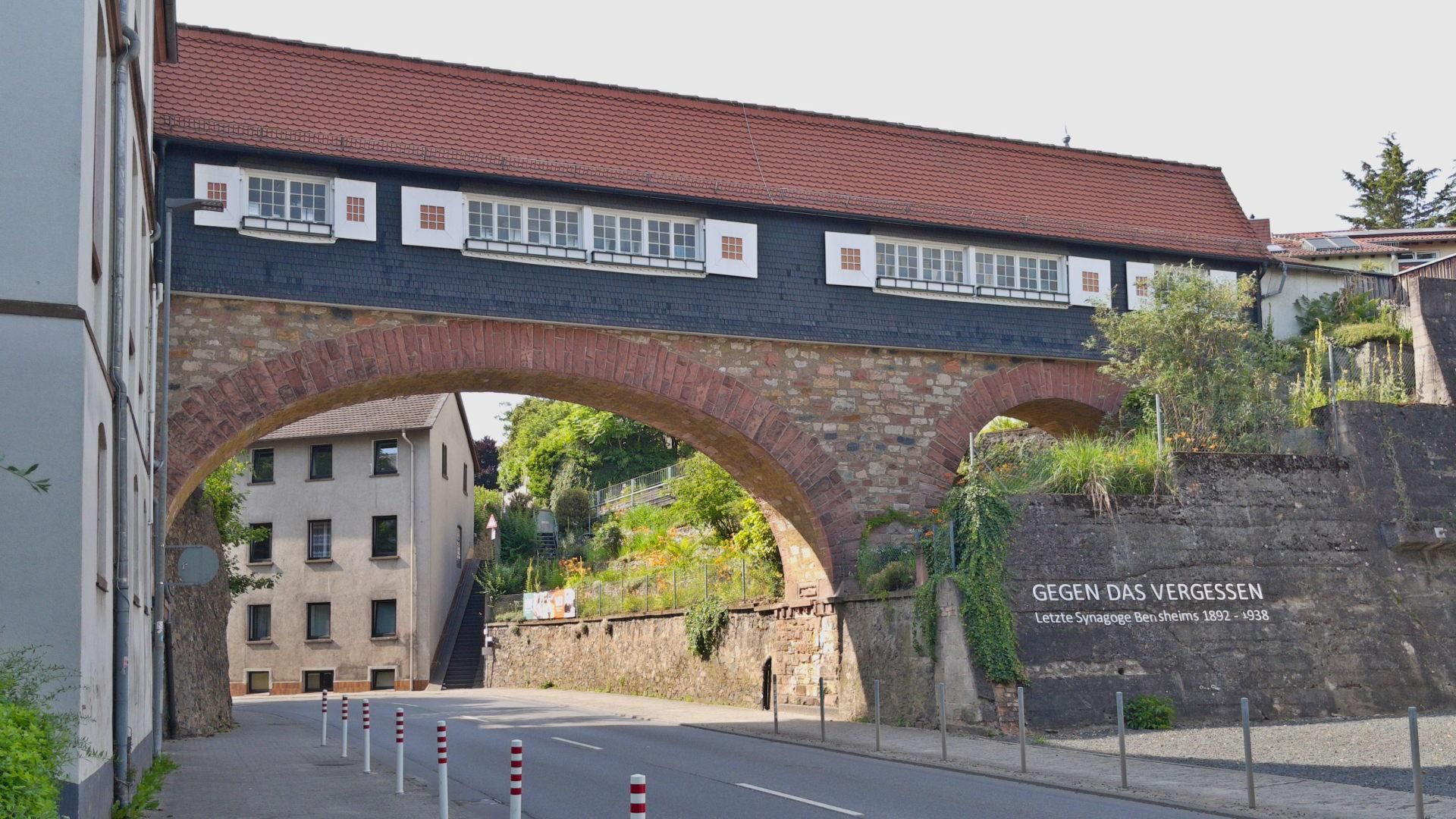
Bensheim’s old town features half-timbered houses and the rebuilt St George’s Church. Parts of the historic centre were rebuilt after the war.
Bensheim’s old town features half-timbered houses and the rebuilt St George’s Church. Parts of the historic centre were rebuilt after the war.
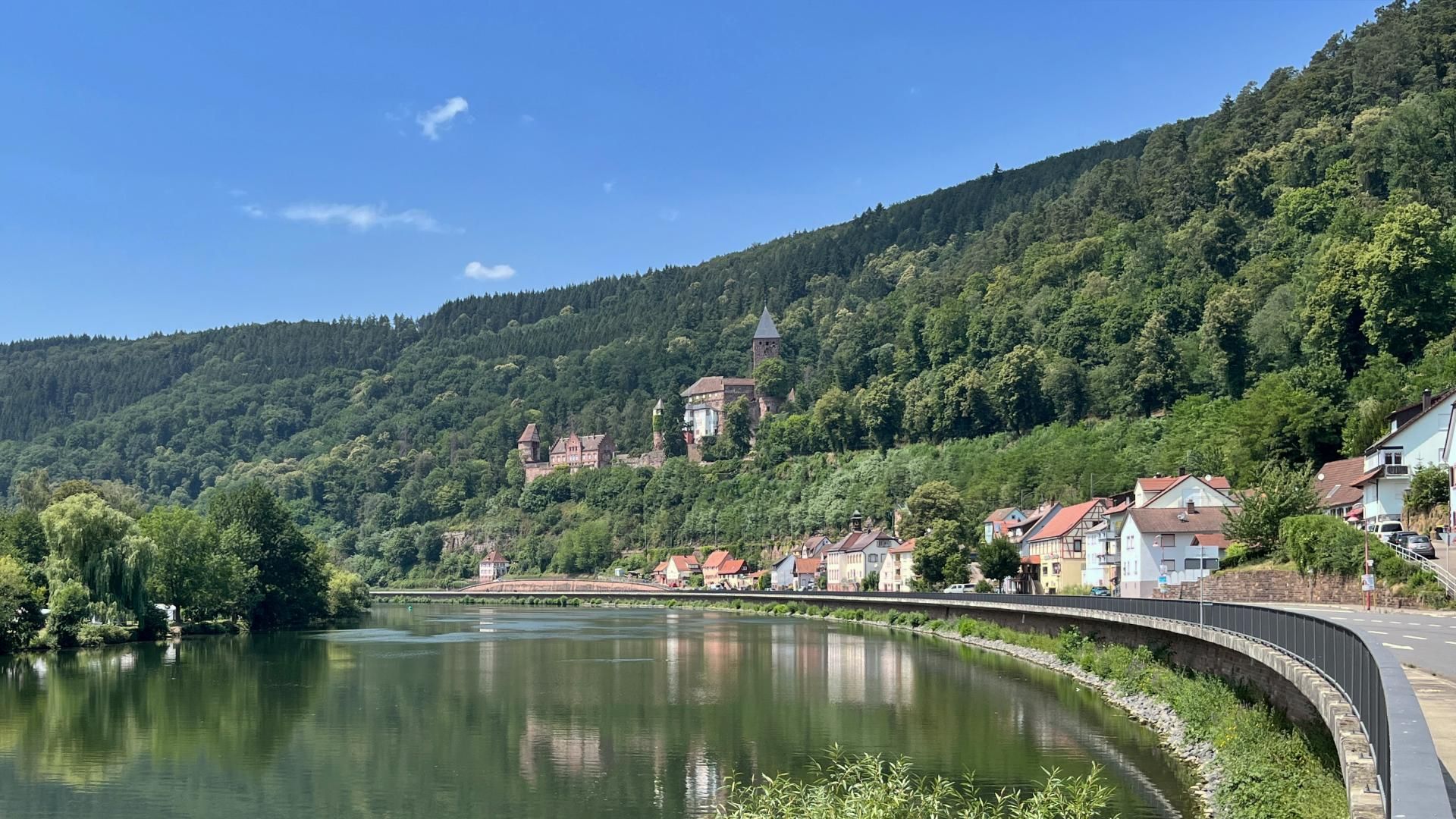
Zwingenberg Castle, overlooking the Neckar Valley, was built in the 12th/13th century and rebuilt following its destruction from 1404 onwards; its present appearance was largely shaped by the Lords of Hirschhorn.